The financial health of your restaurant depends on a variety of restaurant metrics, with the average spend per customer being a crucial one. While the industry average for this metric differs based on geography and restaurant type, focusing on strategies to increase average spend per customer can significantly impact your bottom line.
Every time a guest leaves without dessert, a beverage, or a side dish, you’re leaving money on the table. The average restaurant can miss out on 10–20% of potential revenue per cover because they don’t use upselling techniques.
Industry observers suggest that even a modest 1% lift in average check size can improve restaurant margins. That’s because these incremental gains compound across hundreds or thousands of covers.
In this article, we’ll explore effective strategies to increase average spend per customer in your restaurant, ultimately boosting profitability without sounding pushy or transactional.
What is average spend per customer in a restaurant?
Average guest spend, known as average spend per head, is a simple yet crucial restaurant metric. It’s closely related to the average check size metric.
Average spend per customer is the total revenue divided by the total number of covers in a given period.
Average Spend = Total Revenue ÷ Total Number of Covers
Why average spend per customer metric matters for restaurants
This metric is the difference between making a profit and breaking even. It can determine whether a guest is profitable or simply covers your costs.
Practical strategies for increasing average spend per customer in F&B
Staff-driven strategies: Team training for smart upselling
Your front-of-house team is your best asset for boosting revenue. When done naturally, upselling increases your customer’s average spend and total check.
Menu engineering tactics for higher spend
Part of boosting your profit margin is having an effective menu. Optimizing your menu to highlight your top-selling dishes and items helps you increase profitability and guest spend.
Boost beverage sales
Beverages, both alcoholic and non-alcoholic, are a goldmine for increasing a restaurant’s profit. Beverages often yield profit margins of 70–80%, compared to 25–35% for food.
Boost Dessert sales
Desserts offer a final, high-margin opportunity to increase guest spend.
Boost guest spend with loyalty programs
A well-designed restaurant loyalty program not only encourages repeat visits, but also higher spending.
Add a prix-fixe menu
A prix-fixe, or fixed-price, menu is an effective way to increase average customer spend while offering guests a sense of value.
Drive spend with data and tech
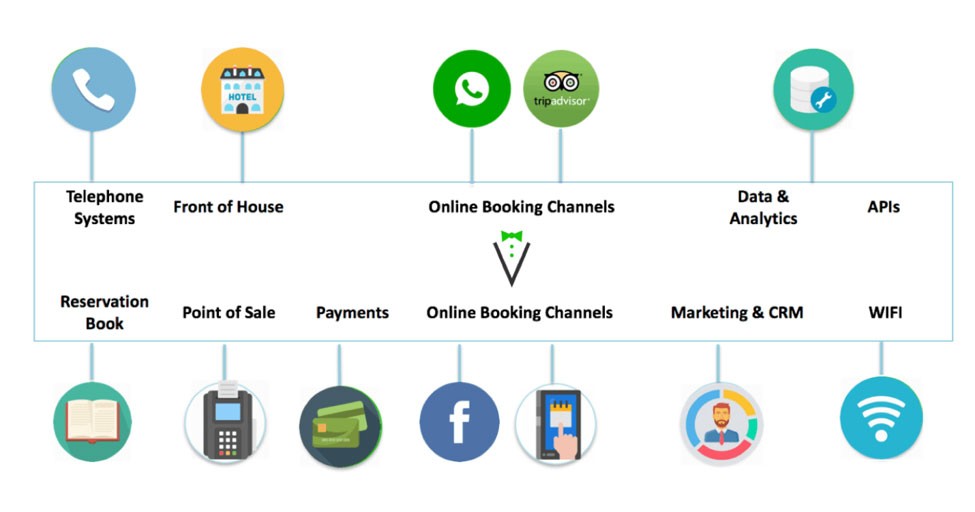
Using a modern restaurant tech stack can help you automate tasks and personalize your marketing and upselling efforts.
Mistakes to Avoid When Upselling
Aggressive upselling
The most common mistake is being too pushy. Aggressive upselling can make guests feel pressured and uncomfortable, leading to a negative experience.
Ignoring staff training and feedback
The success of your upselling techniques relies on well-trained staff.
Relying solely on discounts instead of value
While discounts can attract customers, they can also devalue your product in the long run.
Boost Spend Without Being Pushy
Boosting spend in your restaurant relies on smart upselling and cross-selling strategies and team training. It should blend an exceptional guest experience with insightful data.
Remember, even small increases can have a profound impact on your profitability. A modest $5 increase in average spend per customer, multiplied across 2,000 monthly diners, can tally up to $10,000 per month, or $120,000 annually. That’s the power of compounding.
Ready to optimize your operations and increase guest spend?