Personalization has become one of the most sought-after tactics by marketers and consumers alike. In almost every industry. According to Sender, 63% of consumers say they will “stop buying from brands that use poor personalization tactics.”
And customers (83%) are willing to provide you with information so you can create those personalized experiences for them.
In marketing, personalization is about tailoring messages to individual customer preferences, based on data. In other words, it’s that ‘personal touch’ in your marketing efforts.
Personalization in restaurants – whether during the in-house experience or through marketing channels like email, SMS, or WhatsApp – helps F&B brands craft memorable guest moments and foster long-term customer loyalty.
However, you can’t just start your day saying ‘Let’s create personalization!’ Or ‘Let’s personalize everything we do!’
You need a strategy. A personalized messaging strategy.
You can implement this strategy through various channels, but mainly WhatsApp, SMS, and email. Make sure you choose the best channel for your guests so your strategy doesn’t fall flat.
In this article, we’ll show you how to create a personalized messaging strategy for your restaurant.
Why is personalization important for restaurants?
There are several benefits to using personalizing the dining experience.
- helps you understand customer needs and preferences
- enhances the guest experience
- increases guest loyalty and retention
- allows you to collect guest information for personalizing marketing campaigns
- contributes to increasing restaurant sales and can help boost direct reservations
- allows you to tailor promotions and offerings to guest needs
- helps you build rapport and guest relationships
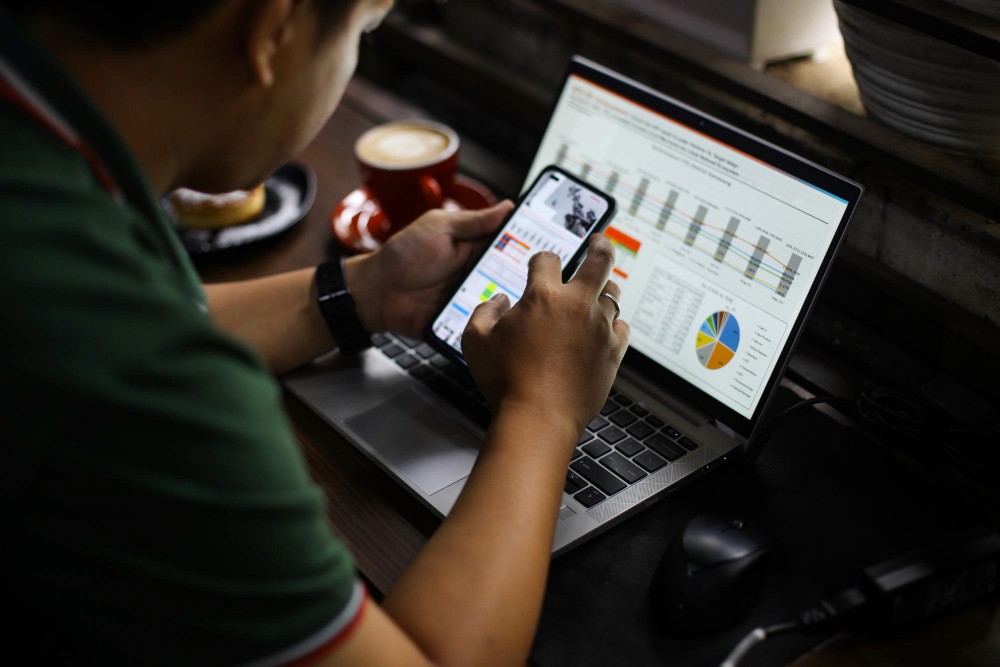
- helps you make data-driven decisions (marketing or operational decisions)
How to create a personalized messaging strategy for your restaurant
There are a few points to consider while creating your restaurant’s personalized messaging and marketing strategy. Follow these tips to ensure a solid plan early on.
Ask for permission
The first step in any messaging strategy is to get permission to send messages. This applies to email, SMS, and WhatsApp messaging. You don’t want to be labelled as spam.
While asking for permission, ask guests about their preferred messaging platform. You may be surprised to learn some customers prefer SMS over WhatsApp.
Define your intent
Next, you need to define what you want this messaging strategy to do.
Is it to re-engage guests? Build loyalty? Increase sales?
If you have multiple targets or intents, we suggest creating a broad strategy with smaller strategies under it. Each strategy needs to have its set of key performance indicators (KPIs) to see whether the strategy was successful or not.
Your personalized messaging strategy should be part of your broader restaurant marketing strategy.
Segment your guests
You’ve got your guests’ permission to send WhatsApp messages, SMS, or emails and notifications. Now, you’ll need to segment those guests.
Guest segmentation means organizing guests into lists based on their behaviors or attributes. With restaurant reservation management software, like Servme, you can use auto-tags to automate this.
For example, guests who spend over $500 per visit are automatically tagged as ‘VIP guests.’ Similarly, those who redeem two or more offers are automatically added to an ‘offer lovers’ list.
Determine the pace of sending messages
One of the biggest problems brands struggle with messaging strategies is overdoing it with the messages. It’s important to know how often you’ll be messaging your guests.
Consider automated reminders
Note that you’ll be sending automated reservation reminders such as booking confirmations, guest reviews, pre-payments or cancelled bookings.
Create WhatsApp marketing templates, email marketing templates, and more for those and determine the number of messages in each flow.
Determine the campaigns you’ll send
Your strategy should cover the campaigns and types of messages you plan to send. This should include your regular messages, like confirmed or cancelled bookings, along with SMS, WhatsApp or email marketing campaigns.
Set KPIs to measure the impact of your personalized messaging strategy
The success of any strategy hinges on the KPIs and metrics you set to measure the impact and results of that strategy.
For your restaurant’s personalized messaging strategy, consider two types of KPIs. Messaging-related KPIs and restaurant metrics and KPIs.
For emails, SMS, and WhatsApp, messaging-related KPIs include:
- Number of messages sent vs Open rate
- Response rate
- Deliverability rate
Restaurant-related metrics include:
- Value of deposits collected (if applicable)
- Number of bookings made
- Number of cancellations (via WhatsApp or other messaging platforms)
- Number of guests booked during special events
Personalized messaging strategy: Ideas for your restaurant
Now, it’s time to explore some examples of personalized WhatsApp messages you can send using WhatsApp Business for Restaurants.
Birthday campaign
One of the best ways to create personalized messages is to create birthday campaigns. They’re a great example of personalization and they make guests feel remembered and appreciated.
You’ll need to have your guests’ information in your restaurant’s CRM. Then, you can automate a campaign to be sent on or ahead of the guest’s birthday.
Anniversary campaign
Another example of a personalized message that can be part of your personalized messaging strategy is an anniversary campaign.
Past order-based recommendations
Personalization begins in-house. You can use your various restaurant reports to create personalized dining experiences. You can also use this data to share personalized emails and messages.
Post dine-in guest surveys
Another important campaign that should be part of your personalized messaging strategy is automating post dine-in guest surveys.
Customer surveys can help you understand customer concerns, measure and improve your guest satisfaction, collect feedback about your menu, foods, events, and even plans.
Personalized discounts
Aside from birthdays and anniversaries, you can also send personalized discounts via WhatsApp. If you have a tag in your CRM for ‘promotion lovers’ or ‘discount lovers,’ you can send personalized messages notifying guests about current or upcoming special offers.
Invitations for special dining events
If you run special events at your dining concept, make sure you log in who attends these events.
Consider creating an ‘Event lovers’ tag in your CRM for regular attendees. Send a personalized WhatsApp message, or SMS or email, to these guests when your event calendar is ready.
Holiday greetings
Sending holiday greetings is a great way to send personalized messages to your guests.
Re-engagement campaigns
This option is for guests who have not visited your venue in 6 months or more.
Use your CRM to see which guests haven’t visited your restaurant in 3 or more months.
Final words
Your restaurant guests are craving personalization. And what better way to keep them coming back than to give them exactly what they need.
Creating personalized messages used to be a time-consuming process.
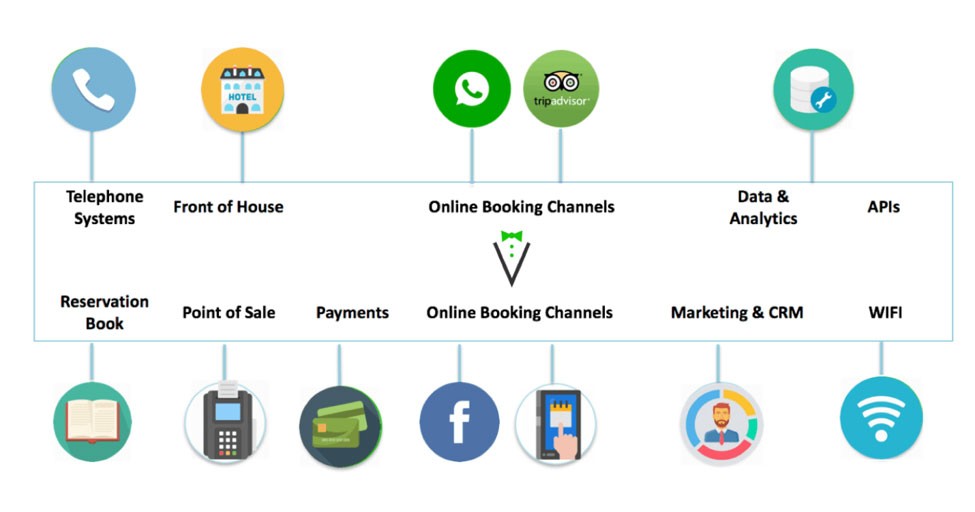
However, restaurant reservation management software, like Servme, simplifies marketing and personalization.
It offers reservations, guest surveys, auto-tagging, and personalization through restaurant-focused marketing campaigns, making personalization easier and faster than before.