![How to Create a Marketing Strategy for Your Restaurant [Guide]](https://dev1servme-thinkpad-l15-gen-1.tail507714.ts.net/wp-content/uploads/2026/05/dJO6L1gvxv1ZzvJSLrGjNRQ.jpg)
The restaurant industry is one of the most fiercely competitive industries around the world. It almost feels like every restaurant is competing with you over guests. That’s why creating a marketing strategy for a food business is critical in driving customers, boosting retention, and ensuring sustainability.
While great food is a given, it’s no longer enough to guarantee success.
That’s why a strong marketing strategy isn’t just an advantage, it’s crucial for survival. It’s the roadmap that guides your restaurant’s brand, builds customer loyalty, and ultimately drives revenue.
In this article, we’ll show you how to create a marketing strategy for your restaurant, or any type of food business. We’ll cover target audiences, building a strong brand, choosing the right channels to drive revenue, and more!
Understand your customers
The first and more important step in creating a marketing strategy for any food business, be it a bistro, bar, or restaurant chain, is your audience.
Part 1: Competitor analysis
Start by identifying your direct competitors.
Your analysis should also cover where your competitors are located on social media. Are they present on Instagram only? Or Facebook, Instagram, TikTok, and elsewhere?
You should also explore the restaurant marketing ideas your competitors are using and which are getting the most engagement.
Part 2: Identifying audiences
You need to identify your target audience. This should cover demographics like age and location, psychographics like lifestyle choices, motivations, and interests, and behavior like buying habits.
You can also improve this data after you open your restaurant. If you use a restaurant CRM, which covers guest behavior, you can identify spending habits, frequent visits, among others.
Build a strong F&B brand
Part of your restaurant’s marketing strategy is creating a strong brand. This includes developing a brand identity and a brand story that resonates with your target audience.
It’s more than just a logo. It’s the entire experience a customer has with your brand, from your website to your menu.
Choose the right marketing channels
Restaurant marketing strategy: Digital marketing
Social media marketing
This includes which social platforms you’ll be using. Most restaurants and coffee shops rely heavily on Instagram.
Restaurant website
Your website is an important element in your marketing strategy. It’s an opportunity to increase brand awareness, collect and generate direct reservations, link to your social media accounts, share your digital menu, increase restaurant sales, among others.
Search engine optimization
Search engine optimization (SEO) is the process of making your website visible in and rank on search engines, like Google.
Pay-per-click advertising
Pay-per-click advertising (PPC) is a type of ads that charges you per click.
Email and SMS marketing
Another opportunity in your restaurant’s digital marketing strategy and arsenal is email marketing. This involves creating email campaigns for your restaurant to drive website traffic, increase reservations, inform guests about new venues or partnerships.
Online food delivery platforms
Creating a marketing strategy for a food business or dining venue involves deciding whether you’ll offer food delivery. Many restaurants rely on food aggregators and delivery platforms to reach more customers.
Restaurant marketing strategy: Booking integrations
Popular booking platforms or integrations include:
- Tripadvisor
- Zomato
- Michelin Guide
- The Chefz and webook.com in Saudi Arabia
- Reserve with Google
- Afternoon Tea in the UK
In addition, you can get direct bookings from Facebook and Instagram.
Restaurant marketing strategy: Influencer marketing
Data from the Influencer Marketing Report 2024 indicated “85% of respondents believed influencer marketing is an effective form of marketing.”
Restaurant marketing strategy: Traditional Marketing
Local partnerships
One way to get more guests to your dining concepts is via local partnerships.
Print advertising
It’s an opportunity to consider running a sponsored post in your local culinary or F&B magazine.
Loyalty programs
Restaurant loyalty programs are a great way to attract guests and retain them.
Create engaging guest experiences
Provide exceptional customer experience
When guests get exceptional service, their overall experience becomes more memorable. Train your staff to be attentive and welcoming.
Offer unique dining experiences
Consider offering themed nights, live music, or special events to create memorable dining experiences.
Build a strong online presence
Use high-quality visuals on your website and social media. Ask guests to leave reviews on Google, social media, or using automated guest surveys.
Measure and optimize your campaigns
Track key marketing metrics
First, you need to identify your top marketing metrics or key performance indicators (KPIs). These will vary by channel.
Identify areas of improvement
Once you’ve set your marketing KPIs and analyzed your data and results, you should consider areas of improvement.
Adapt your strategy for growth
Your marketing strategy isn’t set in stone. It should be adaptable to changing trends and customer behavior.
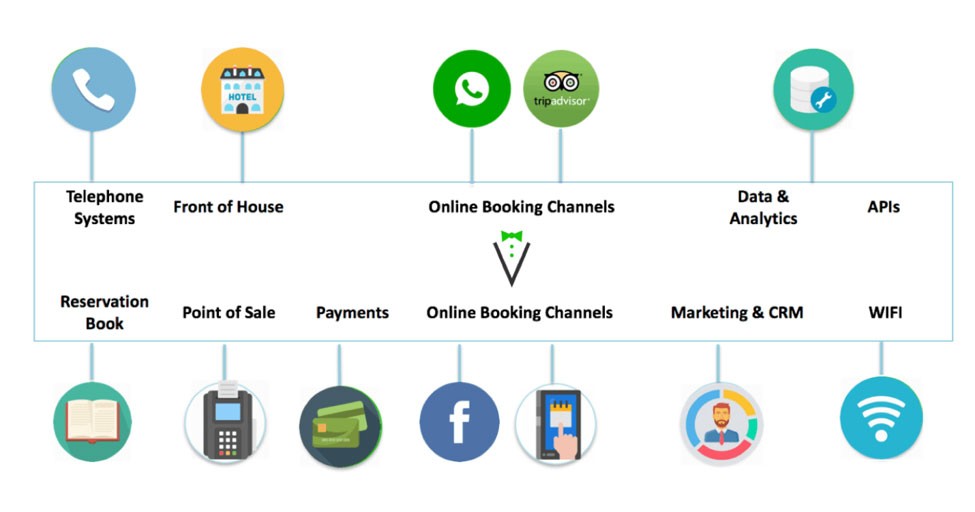
Integrate restaurant software with your marketing strategy
Reservation and table management system
Reservation or seating management software helps you manage reservations, tables, waitlists, and more. Solutions like Servme offer marketing features such as email, SMS, and WhatsApp marketing.
POS solution
Your restaurant’s POS system helps you collect payments, both online and at the restaurant.
Inventory management
Although inventory management systems don’t contribute to sales, they help you identify your top-selling, or least-favorite, dishes.
Wrapping It Up
Developing a marketing strategy is an investment in the long-term success of your restaurant, coffee shop, or any type of food business. It provides a framework for consistent brand messaging, effective customer engagement, and sustainable growth.
We encourage you to take the insights and strategies shared in this guide and apply them to your business.
Make sure you don’t forget your guests and building relationships and guest loyalty throughout the process.